Build Beautiful, Live Better: The Power of S.H.A.D.E. in Glazed Spaces
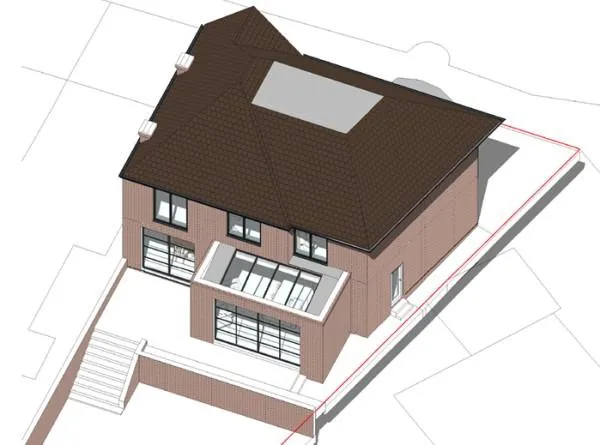
If you're a homeowner embarking on an exciting new build or extension project, particularly one involving lots of lovely glass, you'll know that creating your dream space is about much more than just bricks and mortar.
It's about a vision, a feeling, a connection to the outdoors, and of course, comfort. Here at WindowTreat, we've seen countless inspiring architectural plans for spaces filled with light. But we've also seen what happens when one crucial element is overlooked in the early stages: shading.
That's why we developed our S.H.A.D.E. principles – a way of thinking about how to manage light and temperature right from the start, so your dream home lives up to every expectation.
S.H.A.D.E. Explained: More Than Just Blinds
We believe that good shading is an integral part of architecture, not just an accessory you add on later.
Think of it like this: if you were designing a high-performance sports car, you wouldn't forget the brakes, would you? Glazing, especially large expanses, is a bit like that powerful engine – full of potential, but without control, it can lead to a compromised experience.
S.H.A.D.E. isn't a specific product; it's a set of guiding principles, a framework we use to ensure your glazed spaces are as comfortable and usable as they are beautiful. It stands for:
S – Shading Deserves to Be Designed
H – Human-Centred Design
A – Architectural Intent
D – Direct the Light
E – Environmental Performance
Let's break down what each of these means for you, the homeowner.
S – Shading Deserves to Be Designed
The "S" in S.H.A.D.E. reminds us that shading is as essential as the glass it complements. When you're planning large windows, bi-fold doors, or a stunning roof lantern, thinking about how you'll manage the light and heat at the same time is crucial. If light is the raw material that floods your new extension, shading is the control that makes it perfect.
We often hear from homeowners who've completed beautiful extensions, only to find that certain rooms become overwhelmingly bright or uncomfortably hot at different times of the day or year. Sometimes, the only solution seems to be keeping blinds closed, which means losing that wonderful view and connection to the garden – often the very reason for the extension in the first place!
When shading is designed in from the beginning, it means the light is managed effectively, preserving both your view and your comfort. In a world where our climate is changing, considering this early on is more important than ever.
Glazing without a thought for shading isn't just a missed opportunity; it's an unfinished design.
H – Human-Centred Design
Your home is for living. Architecture should serve the people within it, creating spaces that feel good to be in.
Unfiltered light, however, can sometimes work against this. Too much glare can make it hard to relax, read, or work.
The wrong kind of light at the wrong time can even affect our natural rhythms.
S.H.A.D.E. prioritises your wellbeing. It’s about creating an environment where you feel at ease.
This means filtering out harsh glare, balancing brightness with a softer, more comfortable illumination, and preserving those all-important views.
It's about ensuring your new space supports your lifestyle, whether that's a busy family kitchen, a peaceful home office, or a relaxing living area.
Comfort, after all, is more than just the temperature; it's about feeling calm, present, and able to enjoy your home to the fullest.
A – Architectural Intent
You and your architect have likely spent a great deal of time considering every detail of your new space. The clean lines, the smooth junctions, the overall aesthetic – it all matters.
But if shading isn't planned for, it can sometimes feel like these carefully considered details are compromised. Bulky, retrofitted blinds or visible mechanisms can interrupt the flow and clutter the look you were aiming for.
The "A" in S.H.A.D.E. is all about protecting that architectural vision. When shading solutions are considered early, they can be designed to be virtually invisible when not in use.
Imagine electric blinds that glide silently out of a hidden recess in the ceiling or wall, only appearing when needed.
This means no visual clutter, no compromise on your minimalist aesthetic.
Good shading doesn't interrupt the architecture; it allows it to breathe.
D – Direct the Light
Large areas of glass bring wonderful opportunities for light and views, but without a way to manage that light, they can sometimes become a liability.
This is often where the "dream" can falter, not because of the design itself, but because of the lived experience.
Rooms that look stunning on paper can become uncomfortable or even unusable at certain times of the day if light and heat aren't controlled. You've invested in every square metre of your new space, and you deserve to be able to use all of it comfortably.
S.H.A.D.E. is about giving you that control. It means designing the glazing and the shading to work together, not in opposition.
It's about directing the light – and the associated heat – so that it enhances your space, rather than overwhelming it.
For example, a specific fabric might be chosen to reduce heat gain significantly while still allowing a soft, filtered light and a view out.
It's about ensuring your vision for a light-filled home is also a comfortable one.
Visionary comfort might seem like a luxury, but compared to the cost of unusable space, it's often a very wise investment.
E – Environmental Performance
In today's world, creating energy-efficient homes is more important than ever. Thoughtful shading plays a significant role in a building's environmental performance.
The right shading solutions can help your home work in harmony with the climate, reducing unwanted solar heat gain in the summer (meaning less reliance on air conditioning) and helping to retain warmth in the winter (potentially reducing heating bills).
This not only contributes to a more sustainable home but can also impact your home's Energy Performance Certificate (EPC) rating and help meet building regulations related to overheating (like Part O in the UK).
But beyond certificates and regulations, it's about creating a home that performs well in real life, for the real people living in it.
Thermal comfort isn't just a technical detail; it's something you'll appreciate every single day.
Keeping Your Dream Alive
At WindowTreat, we've seen the disappointment that can arise when shading is treated as an afterthought.
We've spoken to homeowners who've built their dream extension, only to find it too hot to enjoy, or the glare unbearable.
Their stunning new space, designed for connection and light, ends up with blinds permanently down, hiding the very features they were so excited about.
The S.H.A.D.E. principles are our commitment to preventing that.
By considering shading as an integral part of your architectural design from the very beginning, we can help you achieve a space that is not only beautiful and filled with light but also comfortable, functional, and a joy to live in, year-round. It's about protecting your vision, your investment, and ensuring your dream home truly lives up to its name.
If you're embarking on a new build or extension project, we encourage you to think about S.H.A.D.E. early in your planning. Planning early is key to seamlessly integrating comfort and control into your design.
Why not give us a call on 01256 345580 to find out more? Or, you can message WindowTreat for an initial chat, followed by a video session to explore the possibilities for your space. We're here to help you keep your dream alive.
