The Alternatives to High-End Roof Lantern Blinds to Manage Heat?
So, you’ve discovered that your beautiful roof lantern is turning your dream space into a summer sauna, and you’ve looked at a high-performance tensioned blind.
But then our quote comes in, and at over £4000, it’s more than you expected. Maybe even more than the lantern itself.
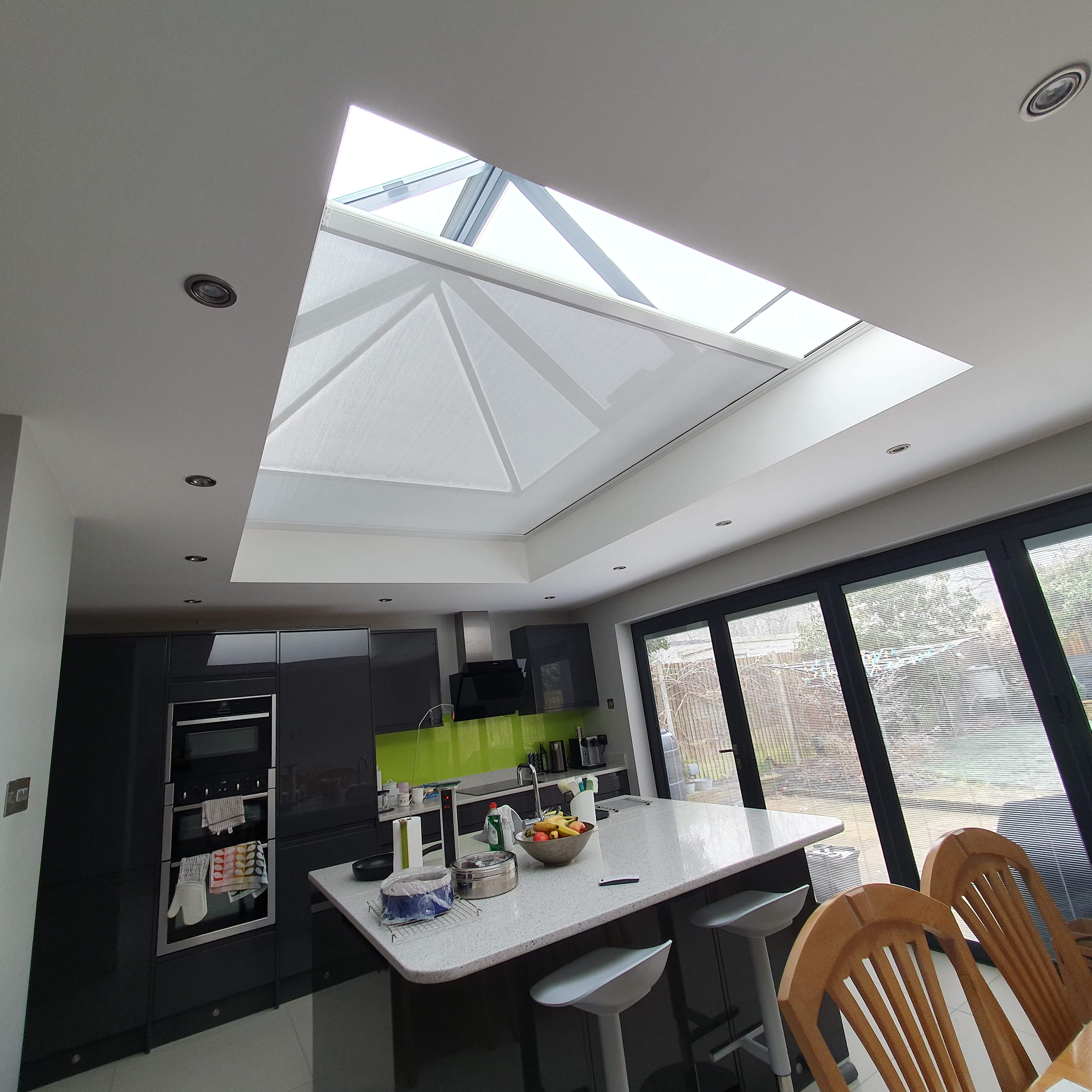
You’re not alone.Andrew, one of our customers, described it perfectly: “It felt like living in a greenhouse.” That was before he invested in an Athena tensioned blind with its superior heat rejecting fabric portfolio.But what if that kind of investment just isn’t realistic for you right now?
Let’s explore the alternatives.The good, the not-so-good, and what you need to know before making this decision.
1. DIY Roof Lantern Blinds: Lower Cost, Higher Risk? £2000+
One of the most common alternatives is a DIY blind system, available from several online suppliers, offering cost savings and are suitable for homeowners confident in measuring and installing themselves.
The roller systems offered use mechanisms that don’t achieve the same level of fabric tension. On larger lanterns especially, this can lead to sagging and ripples sometimes called the “duvet cover effect”. These systems may be more suitable for smaller installations where tension requirements are lower.

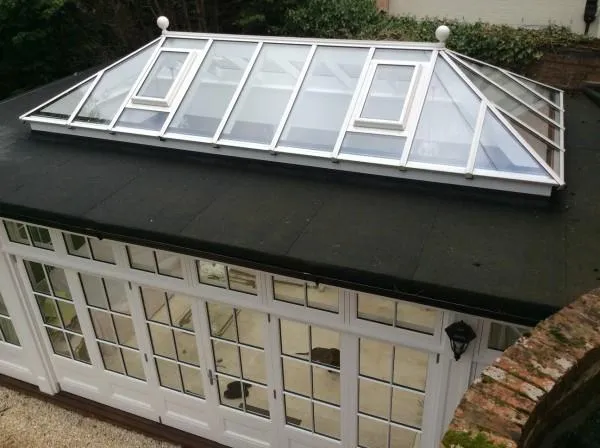
At WindowTreat, we’ve used similar systems in the in the past and found that they work best for modestly sized roof lanterns. The above roof lantern is too large for this type of system.
If you are seeking to significantly reduce solar heat gain then it is critical that the fabric has a solar reflectance over 70 percent.
2. Honeycomb Blinds: Budget-Friendly, with Some Compromises £800+
Honeycomb or cellular blinds, including pole-operated versions, offer insulation and are generally more affordable. However, performance can vary.
Keep in mind:
Some fabrics may not reflect heat effectively, particularly through modern double glazing.
Prolonged exposure to heat degrade adhesive-based structures over time. They’re vulnerable to heat damage. Honeycomb fabrics use adhesives in their structure, which can soften and deform under prolonged heat. Not ideal in a lantern where extreme temperatures are guaranteed.
Visible cords are often recommended to maintain a better fabric tension to defy gravity and the effects of solar heat over several years which otherwise start sagging as they age.

Even high-end honeycomb systems, as shown above, often rely on visible white cords across the opening to prevent sagging. It’s an essential solution to the longevity of the systems, which some homeowners may find visually distracting.
3. Opening Roof Panels: Great for Ventilation, Not for Shade £500–£1,500
If your lantern includes opening vents, that’s a big plus for airflow. These can be manual or motorised, and in some cases, added after the initial lantern installation.
However, they won't block sunlight. What this means is that they will not prevent glare, radiant heat, or fading of furnishings. They work best in conjunction with shading or heat-reduction solutions like window film or internal blinds.
4. Roof Sails: Stylish, Seasonal Shade £1000+
Roof sails are a creative option that some homeowners love. They use roller fabrics to partially cover the lantern opening and can be removed in winter for cleaning.
Pros:
They can be removed seasonally for cleaning.
They offer partial shade and a soft, contemporary look.
Cons:
They are not as tightly tensioned as engineered blinds.
Their effectiveness may vary depending on the angle and intensity of sunlight.
Think of them as a seasonal supplement, not a complete solution.
5. Solar Reflective Window Film: Always On, Sometimes Effective £800+
Window film is another option worth considering. These are permanent, “always-on” solutions that improve the performance of your existing glass.
But here’s the thing:
Some lanterns already have solar glass. In these cases, film may offer little to no improvement.
External films are more effective, but not always compatible with self-cleaning glass.
Internal films are less efficient, darker and more reflective than some of your external options

The key is to understand your current glass specification and get expert advice. Our team at WindowTreat can help you figure out whether film is a smart move for your roof lantern and this might also help your pocket.
6. Emergency DIY Fixes: Not Pretty, But They Work £20–£100
Sometimes, you just need relief and fast.
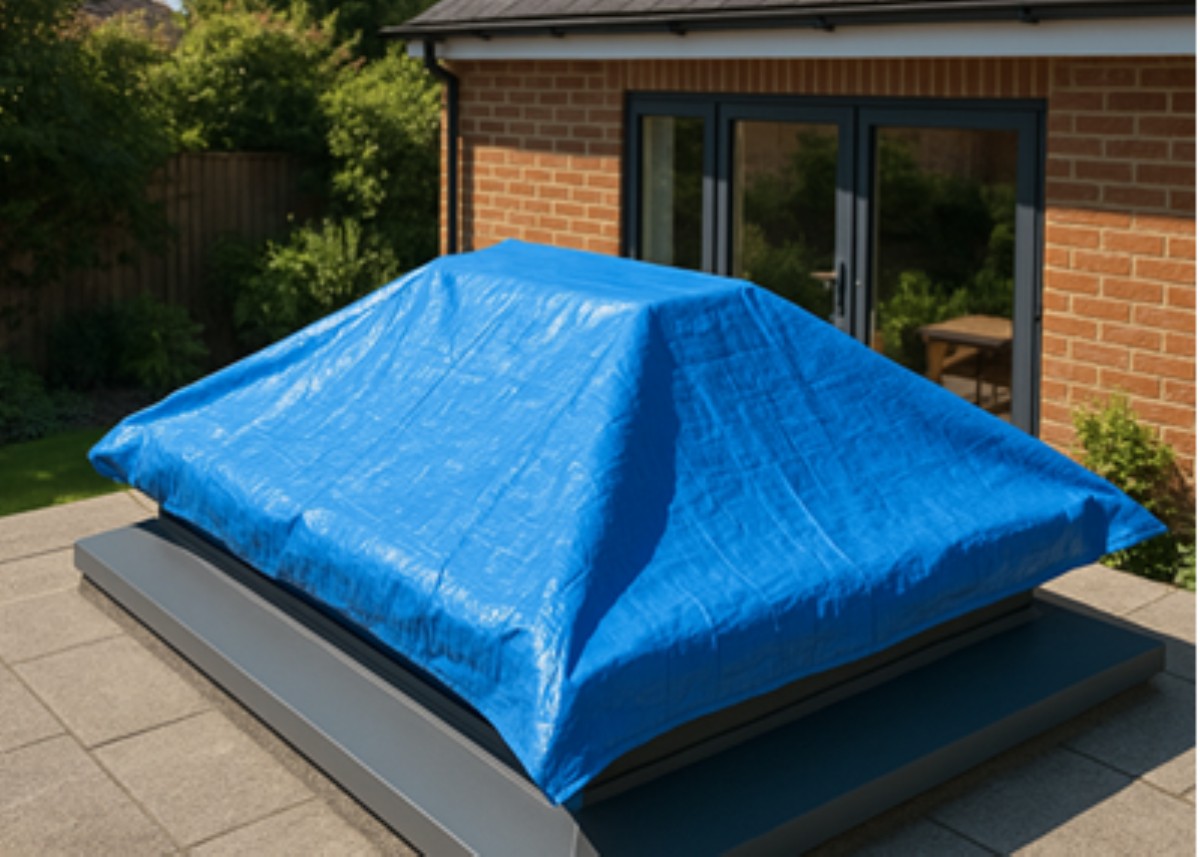
If a heatwave hits and your room becomes unbearable, a temporary DIY fix can buy you time. We’ve often recommended to our customers to lay a tarpaulin over their lantern and weigh it down with bricks. It’s not elegant, but it works.
This kind of stopgap can be a lifesaver while you wait for a permanent solution to be manufactured and installed.
So, What’s the Right Choice for You?
There’s no one-size-fits-all answer. The right solution depends on your budget, your expectations, and how you use your space. Here’s a quick way to think about it:
Want the best performance and finish? Go for our tensioned roller blinds.
Need a budget-friendly fix? Consider DIY or honeycomb options but understand the trade-offs.
Looking for ventilation? Add an opening panel.
Want something stylish and seasonal? Investigate roof sails.
Need a quick fix? A tarpaulin will do the trick for now.
Whatever you choose, the most important thing is to make an informed decision. That’s what we’re here for.
Need Help Choosing?
If you have questions and want to talk through the specifics of your project, our team is here to help. If you'd like a friendly chat about the best options for your home, call our specialists on 01256 345580 or book an appointment online.
